Tariffs and inflation are creating hidden coverage gaps for Texas contractors. Learn why your current policy limits may no longer be enough.
Read More

Specialized Insurance coverage for Electricians, HVAC professionals, and Plumbers.
Start a QuoteGain access to specialized insurance programs designed exclusively for electricians, HVAC technicians, and plumbers. Protect your business with comprehensive coverage tailored to your trade
Work with knowledgeable insurance specialists who understand the unique risks and challenges faced by contractors. Our team brings over 40 years of industry experience to provide you with the best advice and solutions.
Tailored insurance solutions that meet the specific requirements of your contracting business, ensuring you’re covered where it matters most—on the job and in the office.
Protect your livelihood with insurance designed specifically for your trade.
At Donegan Insurance, we specialize in providing electricians, HVAC technicians, and plumbing contractors with comprehensive insurance plans that fit within your budget. We understand the unique pressures you face on the job, and we’re here to ensure you get the coverage you need without compromising on protection.
Start by providing some basic information about your business and the work you do. It only takes a few minutes, and it helps us tailor the best insurance options for your trade.
After you submit the form, our insurance experts will review your details and reach out to discuss customized coverage options that fit your budget and specific needs.
With your tailored insurance plan in place, you can focus on your work with peace of mind, knowing you’re fully covered against potential risks.
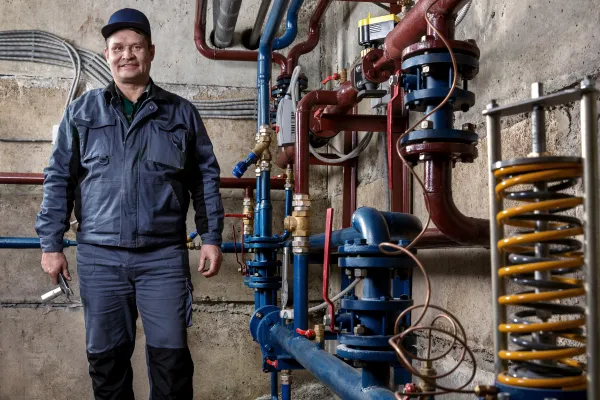
We've been around well over 100 years now. We understand the unique risks and challenges faced by electricians, HVAC technicians, and plumbers. Our specialized insurance solutions are crafted to keep your business protected and thriving.
We’ve helped countless contractors secure the right coverage for their business. Our team works closely with you to tailor your policy, ensuring it meets the specific needs of your trade—whether it’s electrical work, HVAC, or plumbing.
We're here for you at every stage of your business journey. From filing a claim to adjusting your coverage, our dedicated team is just a phone call away, providing the support you need when you need it.
We've compiled answers to the most common questions contractors like you have about securing the right insurance coverage. If you don't see your question here, feel free to reach out—we're here to help.
As an electrician, HVAC technician, or plumber, you’ll need a range of coverages, including General Liability Insurance, Workers’ Compensation, Commercial Auto Insurance, and Tools & Equipment Insurance. These coverages protect your business against common risks such as property damage, injuries, and equipment loss.
Our team specializes in creating tailored insurance plans that fit your specific trade and business operations. We’ll work closely with you to assess your risks and customize a policy that offers comprehensive protection.
Yes, our insurance plans include Tools & Equipment Insurance, which covers the tools and equipment essential to your work. This ensures that if they’re lost, stolen, or damaged, you can quickly replace them and keep your business running smoothly.
Getting a quote is quick and easy. Simply fill out our form, and we’ll provide you with a customized quote usually within the week. Once you approve the coverage, we can set up your policy and have you covered in no time.
If you need to file a claim, our dedicated support team is here to assist you every step of the way. We’ll help you navigate the claims process and work to resolve it as quickly and efficiently as possible.
No problem. We understand that your business needs can change, and we’re here to help. You can adjust your coverage at any time, and we’ll ensure the transition is smooth and that there’s no gap in your protection.
Our team is committed to providing tailored insurance solutions designed to protect and support electricians, HVAC professionals, and plumbers. With decades of industry experience, we understand your business and are here to be your trusted partners in securing the coverage you need.

Tom Hewitt has amassed over 40 years of invaluable experience in the insurance industry. He is a seasoned expe...
Tom Hewitt has amassed over 40 years of invaluable experience in the insurance industry. He is a seasoned expert in the field and has dedicated his career to providing contractors with the best possible insurance solutions. With his extensive knowledge of the industry, Tom ensures that contractors have the right level of coverage to protect themselves and their businesses.
Tom is particularly well-versed in providing contractors with specialty insurance coverage, such as surety bonds, which are essential for many construction projects. He takes great pride in helping contractors qualify for minimum surety credit, which is crucial for securing contracts in the highly competitive construction industry.
As a current member of the Hispanic Contractors Association and Surety Association of South Texas, Tom is well-connected within the industry and stays up-to-date with the latest trends and developments. He is committed to providing his clients with the best possible service and is always on hand to answer any questions or concerns they may have.
Outside of work, Tom is an active volunteer and is particularly passionate about introducing children to the outdoors. He is involved in Operation Orphans and the Texas Youth Hunting Program, where he helps young people develop a love for nature and the great outdoors.
Tariffs and inflation are creating hidden coverage gaps for Texas contractors. Learn why your current policy limits may no longer be enough.

Discover the essential insurance coverages every HVAC, plumbing, and electrical contractor needs in 2026. Learn how the right policies can protect your business, employees, and reputation—while keeping you compliant and competitive in a fast-changing industry. Written by the experts at Donegan.

Discover how to prevent spontaneous combustion on construction sites and protect your team and property from serious fire risks

At Donegan Insurance, we understand that the risks in your trade—whether you're an electrician, HVAC technician, or plumber—can change over time. That’s why we offer a complimentary policy review service. Our experienced insurance specialists will thoroughly assess your current coverage, identify any gaps, and recommend adjustments to ensure your business has the best protection possible. Schedule an appointment today to review your policies and discover how we can help safeguard your business from unexpected risks.
Copyright Donegan Insurance(formerly BDI Insurance) 2025 . All rights reserved