
What Should Truck Drivers Know About Commercial Auto Insurance in 2025?
As 2025 approaches, commercial auto insurance for truck drivers continues to be a critical topic due to rising premiums and evolving regulations. Whether you’re an owner-operator or part of a larger fleet, understanding these changes is crucial to staying ahead in the trucking industry.
Key Takeaways:
- Insurance premiums for truck drivers are expected to rise due to inflation and legal trends.
- Telematics and driver safety tools can help reduce costs and improve insurability.
- Regulatory changes and sustainability initiatives may shape the future of trucking insurance.
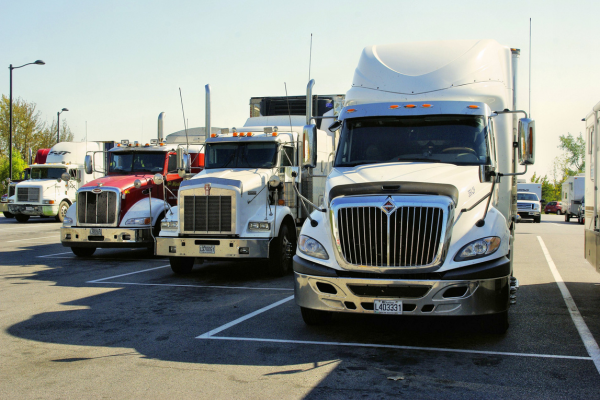
As 2025 rolls in, truck drivers across the country are bracing for another year of changes in the commercial auto insurance market. Rising costs, advancements in technology, and evolving regulations are creating a challenging environment for owner-operators and fleet drivers alike. Understanding these trends is key to navigating the road ahead with confidence.
For truck drivers, insurance is more than a policy—it’s peace of mind. Yet, the trucking industry continues to face mounting pressures, from legal risks to the increasing cost of maintaining and insuring modern vehicles. By taking proactive steps, truckers can position themselves to tackle these challenges head-on while keeping their operations running smoothly.
Why Insurance Premiums Are Rising
Truck insurance premiums have been on an upward trend for years, and 2025 will likely be no different. Inflation is a major driver, pushing up the cost of repairs, replacement parts, and labor. For vehicles equipped with advanced technologies like collision-avoidance systems or lane-keeping sensors, the price of repairs can be even higher, further inflating claims and premiums.
Another factor at play is the legal landscape. Social inflation—the rising costs of litigation and settlements—is particularly tough on the trucking industry. High-profile lawsuits and “nuclear verdicts,” where jury awards can climb into the tens of millions, are putting significant pressure on insurers. These costs inevitably trickle down to policyholders.
For truck drivers, this means it’s more important than ever to prioritize safety and maintain a clean driving record. Fewer claims and better safety scores make you more attractive to insurers, potentially helping you control costs in this volatile market.
How Telematics Can Lower Commercial Auto Insurance Costs for Truck Drivers
Truckers may feel the financial strain of higher premiums, but there are tools to help mitigate these costs. One of the most effective is telematics. Telematics systems monitor driver behavior, tracking things like speed, braking, and idle time. Not only can this data help you identify areas to improve your driving habits, but it also serves as proof of your commitment to safety—something insurers value highly.
Beyond reducing premiums, telematics can improve safety on the road. When combined with regular driver training and performance feedback, these systems lead to fewer accidents, lower repair costs, and less downtime. Over time, this investment pays off by keeping your insurance rates in check and helping your business stay competitive.
The Role of Maintenance and Compliance
Staying proactive with truck maintenance is another critical step for controlling insurance costs in 2025. Regular inspections and timely repairs not only keep you safe but also reduce the likelihood of filing claims. A well-maintained truck is less likely to break down or be involved in an accident, making it a smart move for both your wallet and your safety.
Regulations also play a big role in shaping the trucking insurance market. In 2025, new emissions standards and changes to hours-of-service rules may impact how insurers assess risk. Staying compliant with these regulations isn’t just about avoiding penalties—it’s also about presenting yourself as a low-risk policyholder.
Sustainability and the Future
The trucking industry is slowly moving toward greener practices, and sustainability will become an increasingly important factor in insurance decisions. For truck drivers looking to transition to hybrid or electric vehicles, there may be opportunities to secure better rates or take advantage of discounts tied to eco-friendly practices. While the upfront costs of these vehicles are higher, their lower fuel and maintenance costs, combined with potential insurance incentives, could make them an attractive option in the coming years.
Plan for Success in 2025
Navigating the commercial auto insurance market doesn’t have to be a solo journey. At Barnard Donegan Insurance, we’re dedicated to helping truck drivers like you find the right coverage at competitive rates. Whether you’re looking to adopt telematics, explore green trucking options, or manage rising premiums, we’re here to guide you every step of the way.
Let’s hit the road together – request a quote or learn more about our risk management solutions for truckers in 2025.
People Also Asked
Why are commercial truck insurance premiums expected to rise in 2025?
Commercial truck insurance premiums are likely to rise in 2025 due to several factors. Inflation continues to increase the costs of vehicle repairs, parts, and labor, while supply chain issues exacerbate delays and expenses. Additionally, the trucking industry faces a challenging legal climate, with large jury awards (nuclear verdicts) driving up the cost of claims. These factors, combined with advancements in vehicle technology that make repairs more expensive, contribute to the upward trend in premiums.
How does telematics help truck drivers lower their insurance costs?
Telematics systems monitor key aspects of driving behavior, such as speed, braking, acceleration, and idle time. By providing data that demonstrates safe driving habits, telematics can help truck drivers negotiate lower premiums with insurers. Additionally, these systems encourage safer driving practices, which lead to fewer accidents and claims, further reducing costs over time. Some insurers also offer discounts for using telematics, making it a valuable tool for cost-conscious drivers.
What are the benefits of switching to electric or hybrid trucks?
Switching to electric or hybrid trucks offers several benefits for truck drivers. These vehicles typically have lower fuel costs, reduced maintenance requirements, and a smaller environmental footprint. As insurers increasingly focus on sustainability, drivers of eco-friendly vehicles may qualify for discounts or special programs. While the initial investment in electric or hybrid trucks is higher, the long-term savings on operational costs and potential insurance incentives can make them a smart financial choice.
How can I stay compliant with new trucking regulations in 2025?
Staying compliant with trucking regulations in 2025 involves keeping up with changes in emissions standards, safety protocols, and hours-of-service requirements. Regularly review updates from federal and state regulatory bodies like the FMCSA (Federal Motor Carrier Safety Administration). Investing in fleet management software or partnering with compliance consultants can help ensure you’re meeting requirements. Maintaining detailed records and adhering to mandated inspection schedules also demonstrates your commitment to compliance, which can positively impact your insurance rates.
Contact
"*" indicates required fields